



Screw Conveyor
Stable & Flexible Material Conveying Solution for Drilling & Industrial Operations
- Customizable Length & Capacity Options
- Wear-Resistant & Leak-Proof Design
- Flexible Bidirectional Conveying
- Stable, Low-Maintenance Operation
Stable & Flexible Material Conveying Solution for Drilling & Industrial Operations
Screw conveyor is usually used to transfer drilling cuttings to feed to vertical cuttings dryer and cuttings collection box. Also, it can transfer other small particle materials with low cost and reliable operation. It supports reversible transport direction and can simultaneously transport materials in opposite directions. Besides, the screw conveyor can be matched with other transportation equipment to complete combined or independent operations including material mixing, blending, dehydration, compounding, unloading and stacking. The length and diameter of HY screw conveyor can be fully customized to adapt to diverse working conditions and application demands.
Related Documents
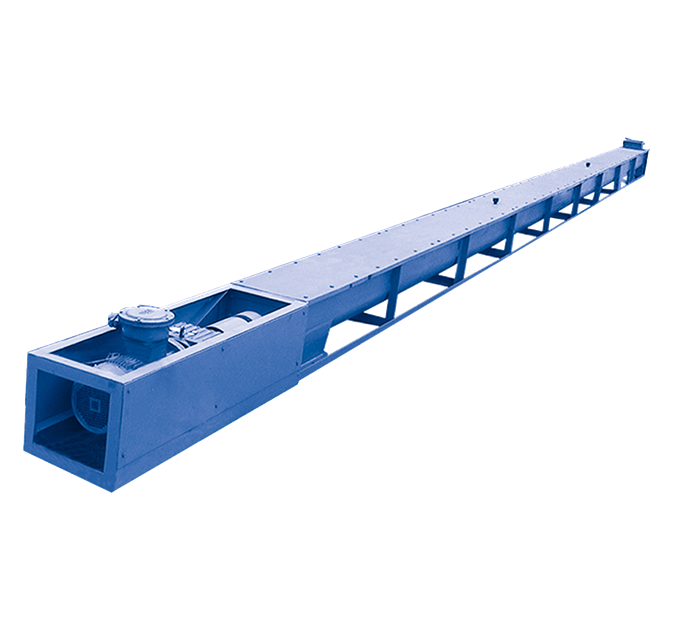
 Screw Conveyor Brochure
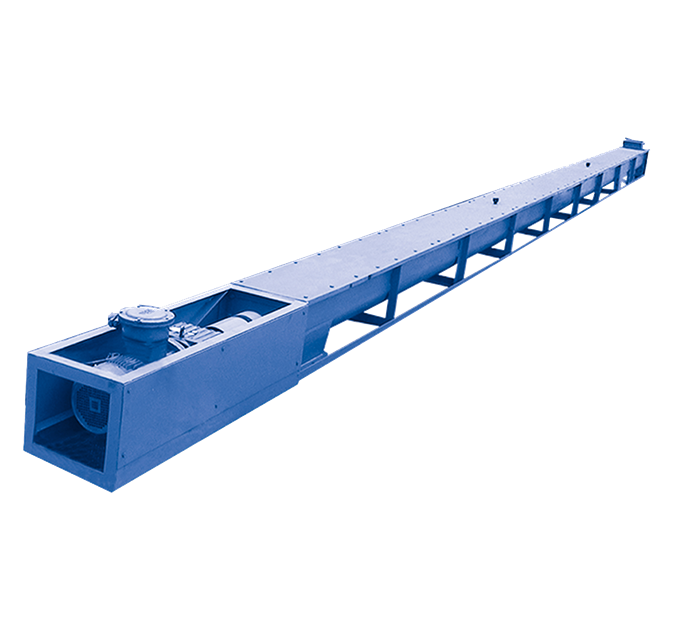
Customizable Specification
Adjustable screw length and diameter design, flexible configuration and large material handling capacity to meet different project requirements
Wide Material Adaptability
Suitable for conveying powder, granular and small piece materials, including clay powder, coal powder, cement, sand, grain, coal cinder, pebbles and cast iron
Wear-Resistant Screw Design
Adopts high-quality wear-resistant screw materials, effectively extending equipment service life and reducing replacement frequency
Modular Sectional Structure
Equipped with 12-feet sectional design for easy disassembly and convenient part replacement
Leak-Proof & Anti-Pollution
Comes with protective cover to avoid material leakage and external contamination, ensuring clean operation
Reinforced Frame Structure
Optimized frame design enhances overall rigidity, adapting to various complex installation scenarios
Superior Overall Performance
Compact structure, lightweight body, excellent sealing performance and high transmission efficiency; easy to install, uninstall and move with safe and stable operation
Bidirectional Conveying Support
Realizes reversible transportation and simultaneous opposite-direction material conveying with flexible operation mode
Flexible Operational Adaptability
Supports unidirectional, reversible and bidirectional synchronous transportation, compatible with multiple combined process operations
Low Operating & Maintenance Cost
Durable wear-resistant structure and replaceable modular parts minimize downtime and maintenance expenses
High Standard Operation Safety
Fully sealed structure prevents material leakage and pollution, ensuring on-site clean and safe production
Strong Scene Adaptability
Reinforced frame and customizable size fit diverse installation environments and different material conveying demands
High Operational Efficiency
Stable transmission performance and large handling capacity improve overall production efficiency for drilling and industrial lines
Screw Conveyor Specifications
| Model | Screw Diameter | Screw Length | Capacity | Speed | Motor Power |
|---|---|---|---|---|---|
| HYBZLS200-073 | 200mm | 7.3m | 15t/h | 50-60RPM | 4kW |
| HYBZLS200-110 | 11m | 15t/h | 50-60RPM | 5.5kW | |
| HYBZLS200-146 | 14.6m | 15t/h | 50-60RPM | 7.5kW | |
| HYBZLS250-073 | 250mm | 7.3m | 20t/h | 50-60RPM | 5.5kW |
| HYBZLS250-110 | 11m | 20t/h | 50-60RPM | 7.5kW | |
| HYBZLS250-146 | 14.6m | 20t/h | 50-60RPM | 11kW | |
| HYBZLS300-073 | 300mm | 7.3m | 30t/h | 50-60RPM | 5.5kW |
| HYBZLS300-110 | 11m | 30t/h | 50-60RPM | 7.5kW | |
| HYBZLS300-146 | 14.6m | 30t/h | 50-60RPM | 11kW | |
| HYBZLS350-073 | 350mm | 7.3m | 40t/h | 50-60RPM | 7.5kW |
| HYBZLS350-110 | 11m | 40t/h | 50-60RPM | 11kW | |
| HYBZLS350-146 | 14.6m | 40t/h | 50-60RPM | 15kW | |
| HYBZLS400-073 | 400mm | 7.3m | 50t/h | 50-60RPM | 11kW |
| HYBZLS400-110 | 11m | 50t/h | 50-60RPM | 15kW | |
| HYBZLS400-146 | 14.6m | 50t/h | 50-60RPM | 18.5kW | |
| HYBZLS450-073 | 450mm | 7.3m | 60t/h | 50-60RPM | 11kW |
| HYBZLS450-110 | 11m | 60t/h | 50-60RPM | 15kW | |
| HYBZLS450-146 | 14.6m | 60t/h | 50-60RPM | 22kW |
Applications

Oil & Gas Drilling
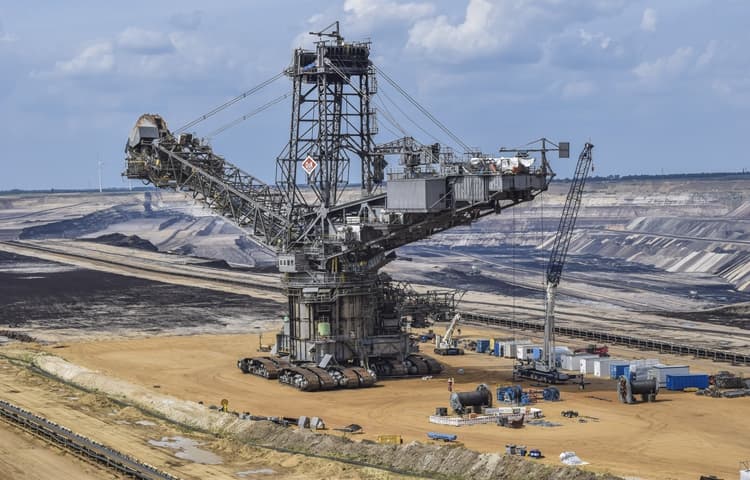
Mining & Mineral Processing
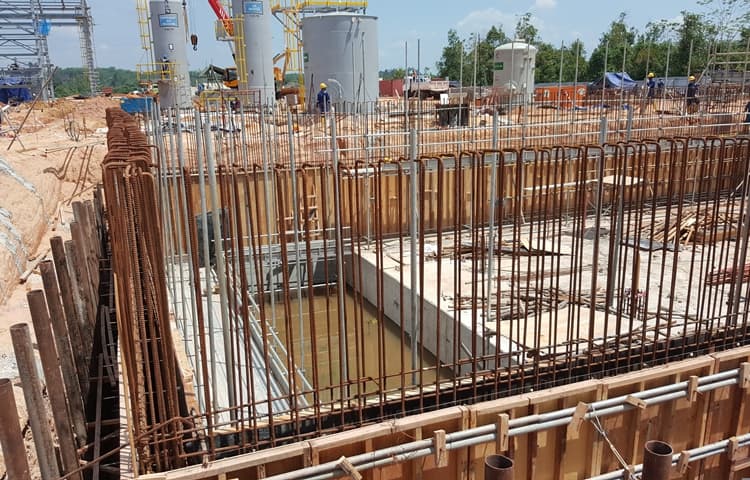
Construction & Civil Engineering

Environmental Treatment
Real Results
Operators gain steady high-volume material delivery, extend equipment service life and cut daily operation and maintenance costs effectively.
Screw Conveyor FAQs
What materials can the Screw Conveyor handle?
The Screw Conveyor is designed to transport a wide range of materials including drilling cuttings, clay powder, coal powder, cement, sand, grain, coal cinder, pebbles, and other small granular or block materials. It is widely used in oilfield, construction, and industrial conveying operations.
What types of materials can the system handle?
The Henyo system is engineered for complex multiphase and high-density applications. It handles drilling cuttings, oil-based and water-based mud waste, tank bottom sludge, sand, gravel, fine powders, oily sludge, and a wide range of industrial or hazardous waste streams, including abrasive and high-solids-content media.
Can the conveyor be customized for different project requirements?
Yes. The system supports fully customizable screw diameter and conveying length to match different site layouts, handling capacities, and process requirements. Its modular structure also allows flexible configuration and future expansion.
Does the system support bidirectional or reversible conveying?
Yes. The Screw Conveyor supports unidirectional conveying, reversible transport, and even simultaneous opposite-direction conveying, depending on the system setup and operational needs.
What makes the screw design suitable for harsh working conditions?
The equipment adopts high-strength wear-resistant screw components designed for continuous operation in abrasive environments. This improves durability, extends service life, and reduces the frequency of part replacement and maintenance.
How is material leakage and contamination prevented during operation?
The conveyor uses a fully enclosed housing with a protective cover design, effectively preventing material leakage, dust emission, and external contamination. This ensures cleaner, safer, and more environmentally compliant operation.
What are the installation and maintenance advantages of this system?
The modular sectional design (standard 12-ft sections) allows easy disassembly, transportation, and replacement of components. Combined with a compact and reinforced frame structure, it reduces installation time, simplifies maintenance, and lowers overall operating costs.
Related Products

Let’s build a sustainable oilfield future together!
Whether developing a new drilling project or enhancing an existing solids control system, Henyo Petro delivers proven equipment, engineering expertise, and integrated solutions that help improve drilling efficiency, maximize fluid recovery, and reduce waste.


