



Shield Tunneling & Pile Driving Drilling Mud Treatment Solutions
Efficient Mud Treatment for Shield Tunneling and Foundation Piling Projects
Shield Tunneling & Pile Driving Drilling Mud Treatment System
Challenge
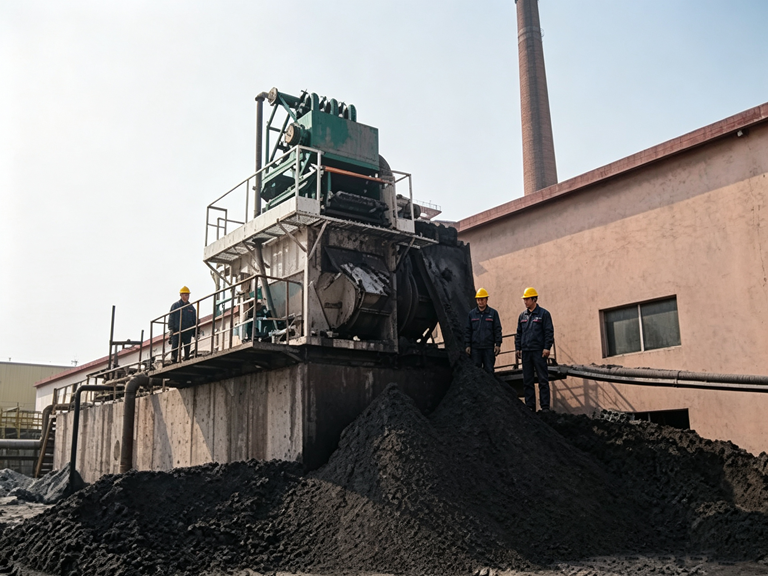
Large Volumes of Drilling Mud and Complex Solids Management in Underground Construction
Coalbed Methane (CBM) and Geothermal drilling present unique challenges, including fine coal particles, high temperatures, hard rock formations, gas influx, and strict environmental requirements. Continuous mud recycling is critical to maintaining fluid properties, ensuring wellbore stability, reducing costs, and minimizing environmental impact.
Solutions
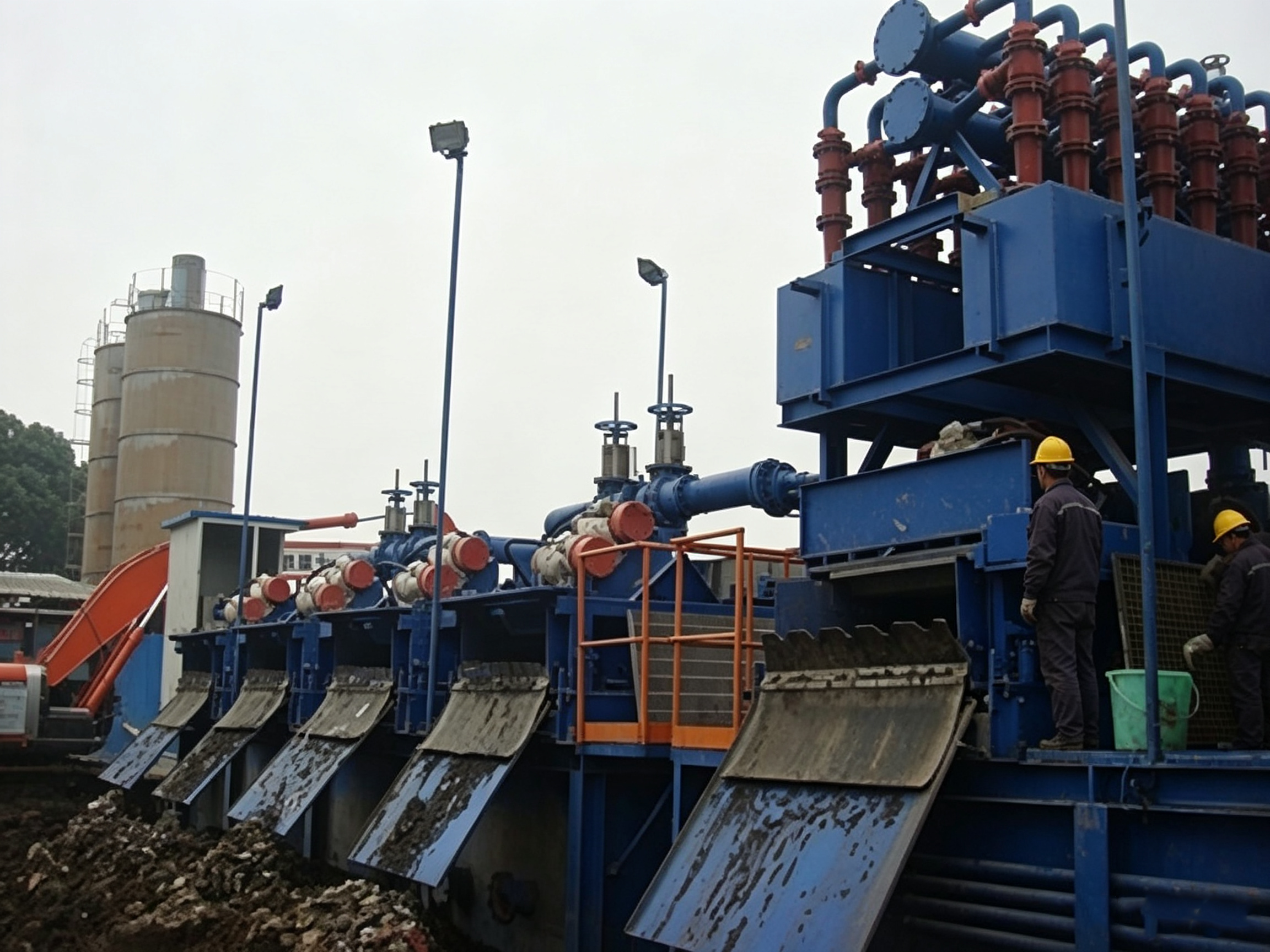
Efficient Mud Treatment and Recycling System for Continuous Operations
Our Shield Tunneling & Pile Driving Drilling Mud Treatment System (Slurry Separation Plant / Mud Recycling System) delivers high-efficiency solids removal, fluid recovery, and recycling, supporting continuous, reliable operations for shield tunneling and foundation piling projects.
Components
Core Equipment for Shield Tunneling & Pile Driving Mud Treatment System
A complete foundation slurry recycling system relies on coordinated high-performance equipment for staged slurry purification, solid-liquid separation and continuous mud circulation.
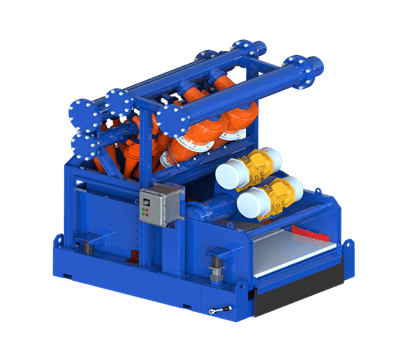
Slurry Graded Separation Equipment
Slurry Feeding & Circulation Pumps
Mud Conditioning & Mixing Equipment
Mud Tank Assembly
Multi-stage separation units to remove coarse, medium and ultra-fine excavated solids from returned slurry.

Stable power supply for slurry delivery and full-system circulation


Prevent solid sedimentation and adjust slurry parameters inside tanks


Integrated tank group for slurry sedimentation and blending

Highlights
Shield Tunneling & Pile Driving Drilling Mud Treatment Solutions
Our solution highlights its core capabilities and the real, measurable value it delivers.

Multi-Stage Separation
Coarse vibrating shale shakers for large debris, followed by desanders and desilters (hydrocyclones) for sand and silt removal down to 20-25 microns.
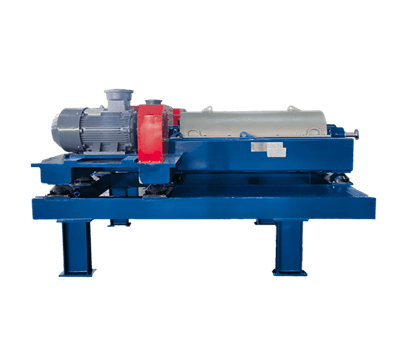
High-Speed Decanter Centrifuges
Ultra-fine solids removal for superior mud clarity and extended fluid life.
Slurry Storage & Mixing Tanks
Agitators, mud guns, and automatic dosing systems for consistent bentonite/polymer properties.
Modular & Skid-Mounted Design
Compact, mobile units ideal for urban tunneling sites and piling projects with limited space.
Chemical Conditioning (Optional)
Coagulants and flocculants for enhanced dewatering of fine particles.
Automation & Monitoring
Real-time density, viscosity, and flow monitoring with PLC controls for optimized performance.
Significant Cost Savings
Recycle up to 80-90% of drilling fluid, drastically reducing fresh bentonite, polymers, water consumption, and disposal volumes.
Improved Operational Efficiency
Maintain optimal mud properties for better face stability in shield tunneling and borehole stability in piling, leading to faster advance rates and fewer issues.
Environmental Compliance
Minimize waste discharge, reduce site mess, and support zero-discharge goals with cleaner effluent.
Reduced Equipment Wear
Cleaner recycled mud extends the life of pumps, TBM components, and piling tools.
Versatility
Handles both slurry shield tunneling muck and bored pile bentonite mud effectively across various soil conditions.
Why Choose Our Mud Treatment System?
- Rugged, field-proven design built specifically for demanding civil engineering applications (shield tunneling, microtunneling, and deep foundation piling).
- Customizable modular configurations tailored to your project scale and site constraints.
- Easy transport, fast setup, and user-friendly operation with strong technical support.
- Focus on reliability, high recovery rates, and sustainability for modern urban and infrastructure projects.
Case Studies
Industry Applications
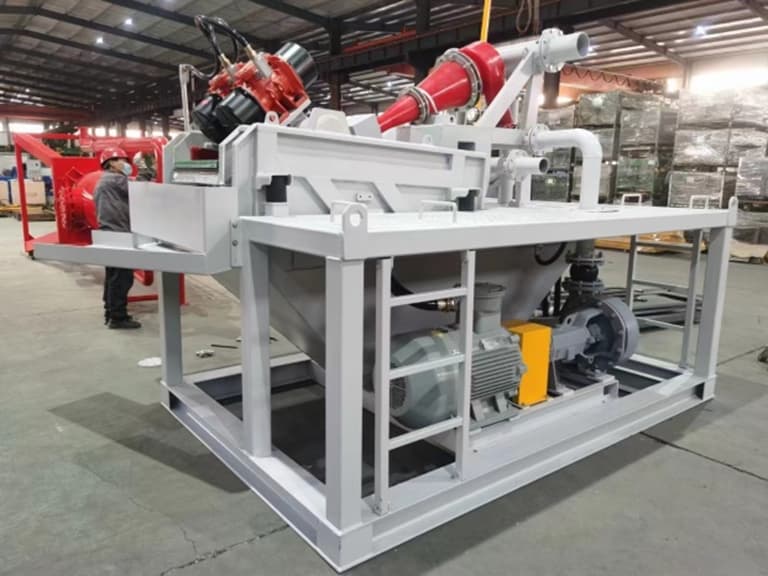
Pile Driving Mud Recycling System Project (Middle East)
Challenge
Local strict environmental limits, high waste slurry haulage & expensive fresh mud materials.
Solution
Skid-mounted compact all-in-one mud purification system with multi-stage cyclone separation for closed-loop mud reuse.
Local strict environmental limits, high waste slurry haulage & expensive fresh mud materials.
Solution
Skid-mounted compact all-in-one mud purification system with multi-stage cyclone separation for closed-loop mud reuse.
Field Feedback
“
Reliability is critical for our desert drilling operations. Henyo’s equipment has been running continuously under harsh field conditions for more than a year, and the performance has been very stable. We have experienced very few maintenance issues with the mud cleaner, and the overall build quality has met our expectations. When we needed spare parts for the pump, the service team responded quickly and helped us minimize downtime. Based on our experience, Henyo has become a trusted partner for our future drilling projects.

Mohammed Al-Hassan
Drilling Operations Manager
“
We have evaluated several brands of solids control equipment over the past two years, and Henyo’s shale shaker and decanter centrifuge have delivered the most consistent performance. The equipment handles high-volume drilling operations smoothly and performs beyond our initial expectations. What impressed us most is the efficient fluid recovery, which helped us reduce drilling fluid consumption during this project. The cuttings discharge is also noticeably drier, making waste handling easier and helping us meet environmental requirements without issues.

John Miller
Procurement Manager
“
Before switching to Henyo’s integrated solids control system, we were using equipment from different suppliers, which created many compatibility issues. The shaker, cascade system, and centrifuge now work together smoothly as one complete solution. The centralized control system makes daily monitoring much easier for our team, and the centrifuge has maintained good performance after multiple wells. Henyo’s integrated approach has helped us improve operational efficiency and better control drilling fluid costs.”

Robert Williams
Project Manager
Shield Tunneling & Pile Driving Drilling Mud Treatment System FAQs
What is the purpose of a slurry (mud) treatment system in shield tunneling and bored piling operations?
The system is designed to continuously separate, clean, and recycle bentonite or polymer-based drilling fluids used in TBM shield tunneling and bored pile construction. It removes excavated solids, sand, silt, and fine particles to maintain stable mud properties, ensure excavation face support, and enable continuous, efficient drilling operations.
What solids control performance can this system achieve?
The integrated multi-stage separation process—combining shale shakers, hydrocyclones, and high-speed decanter centrifuges—can remove solids down to approximately 20–25 microns. This enables high-quality fluid recovery, improved mud stability, and extended drilling fluid lifecycle under demanding geotechnical conditions.
What capacities are available for different project scales?
The system is engineered with flexible modular configurations ranging from 50 m³/h to over 1500 m³/h. This allows deployment across small foundation piling sites, urban microtunneling projects, and large-diameter slurry shield TBM operations with high return flow requirements.
How does the system reduce operational costs on site?
By recovering up to 80–90% of drilling fluid, the system significantly reduces consumption of fresh bentonite, polymers, water, and disposal volumes. This directly lowers material procurement costs, transportation expenses for waste slurry, and environmental treatment fees while improving overall project economics.
How is mud quality maintained during continuous tunneling or piling operations?
The system integrates automated slurry conditioning and monitoring, including agitators, mud guns, and real-time sensors for density, viscosity, and flow rate. This ensures consistent rheological properties, stable suspension capacity, and optimal performance of the drilling fluid throughout continuous operation cycles.
Can the system be adapted to restricted urban construction sites?
Yes. The system features a modular, skid-mounted design optimized for compact footprints and rapid deployment. It is specifically engineered for urban tunneling and piling environments where space, mobility, noise control, and fast installation are critical constraints.
Let’s build a sustainable oilfield future together!
Whether developing a new drilling project or enhancing an existing solids control system, Henyo Petro delivers proven equipment, engineering expertise, and integrated solutions that help improve drilling efficiency, maximize fluid recovery, and reduce waste.


