



Mud Gun
Efficient Tank Cleaning for Reliable Drilling Fluid Performance
- Powerful Jetting & Tank Cleaning Performance
- Wide Coverage & Effective Solids Suspension
- Flexible Configuration & Easy Integration
- Durable Anti-Corrosion Construction
Efficient Tank Cleaning for Reliable Drilling Fluid Performance
In drilling mud solids control systems, maintaining homogeneous drilling fluids and preventing solids settlement are essential for stable system performance. Accumulated solids in mud tanks can reduce fluid quality, increase maintenance requirements, and negatively affect downstream equipment efficiency.
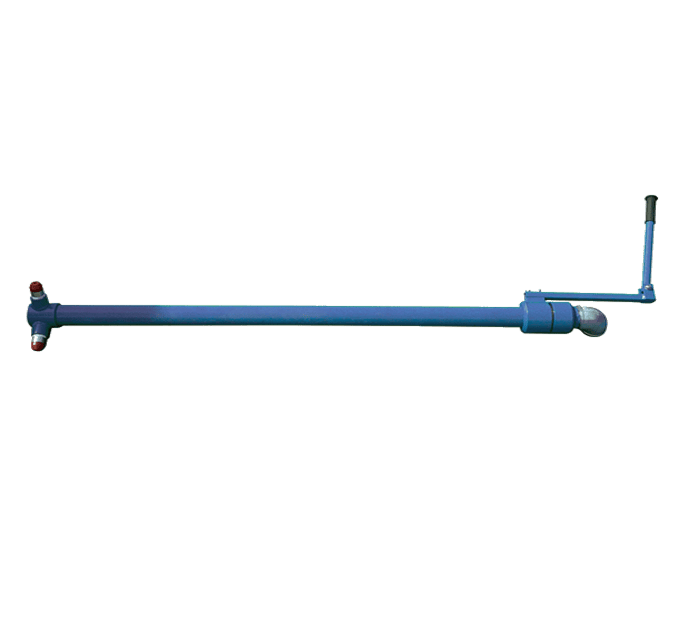
Mud Gun is engineered to provide powerful and efficient tank cleaning by preventing solids accumulation in tank corners and maintaining proper mud circulation. Working together with mud agitators, it ensures consistent drilling fluid performance and optimized solids suspension throughout the tank system.
Mud Gun is engineered to provide powerful and efficient tank cleaning by preventing solids accumulation in tank corners and maintaining proper mud circulation. Working together with mud agitators, it ensures consistent drilling fluid performance and optimized solids suspension throughout the tank system.
Related Documents

 Mud Gun Brochure
Powerful Jetting Performance
Designed with high jet power to deliver strong spraying capability for effective tank cleaning and improved solids suspension.
Wide Cleaning Coverage
Large spraying area effectively cleans tank corners and difficult-to-reach sections, minimizing solids settling.
Flexible Configuration Options
Available in low-pressure, medium-pressure, and high-pressure configurations to match different operational requirements.
Multiple Pump Compatibility
Can be easily matched with centrifugal pumps, mud pumps, or shear pumps, providing flexible system integration.
Fixed or Rotary Design
Optional fixed and rotary structures allow operators to select the most suitable cleaning solution for various tank layouts.
Durable Anti-Corrosion Construction
Manufactured with high-quality steel, treated through acid cleaning and galvanizing for excellent corrosion resistance and long service life.
Wear-Resistant Nozzle Materials
Discharge nozzles are available in polyurethane or tungsten carbide alloy, ensuring durability under demanding drilling conditions.
Simple and Reliable Operation
Compact structure and user-friendly design make installation, operation, and maintenance easy and efficient.
Improved Mud Performance
Prevents solids deposition and helps maintain uniform drilling fluid properties.
Reduced Maintenance Costs
Minimizes tank cleaning frequency and lowers operational downtime.
Enhanced Equipment Protection
Cleaner mud circulation helps reduce wear on downstream solids control equipment.
Flexible System Integration
Compatible with multiple pump types and adaptable to various tank configurations.
Reliable Long-Term Operation
Corrosion-resistant construction and wear-resistant nozzles ensure dependable performance in harsh drilling environments.
Mud Gun Specifications
| Model | HYBZNJQ-50G | HYBZNJQ-50X | HYBZNJQ-80G | HYBZNJQ-80X |
|---|---|---|---|---|
| Gun Diameter | 50mm | 80mm | ||
| Connection Size | 2inch | 3inch | ||
| Rotation Angle | 0° | 0-360° | 0° | 0-360° |
| Nozzle Qty(pcs) | 3 | |||
| Working Pressure | 1.0-6.4MPa | |||
Applications

Oil & Gas Drilling
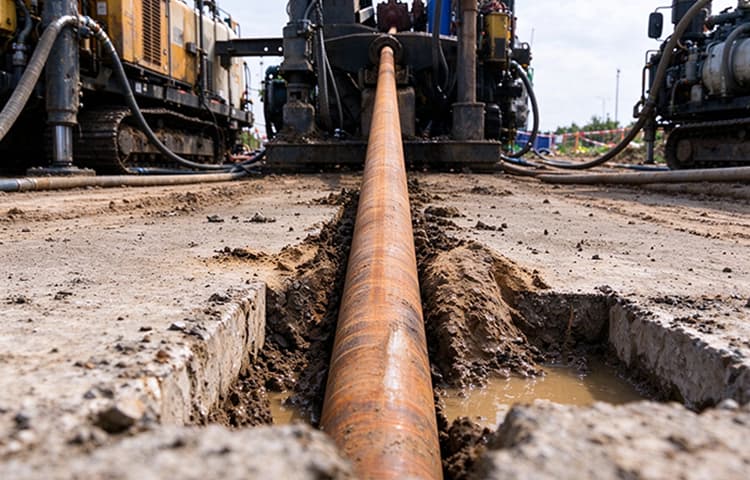
Horizontal Directional Drilling (HDD)
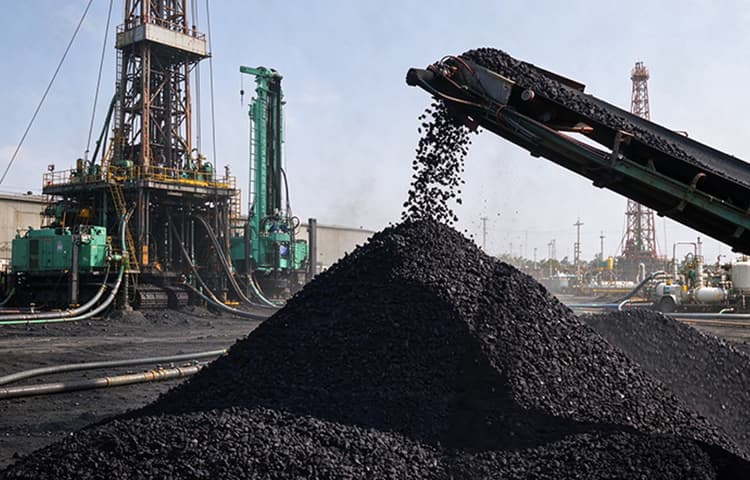
Coal Bed Methane (CBM)

Geothermal Drilling
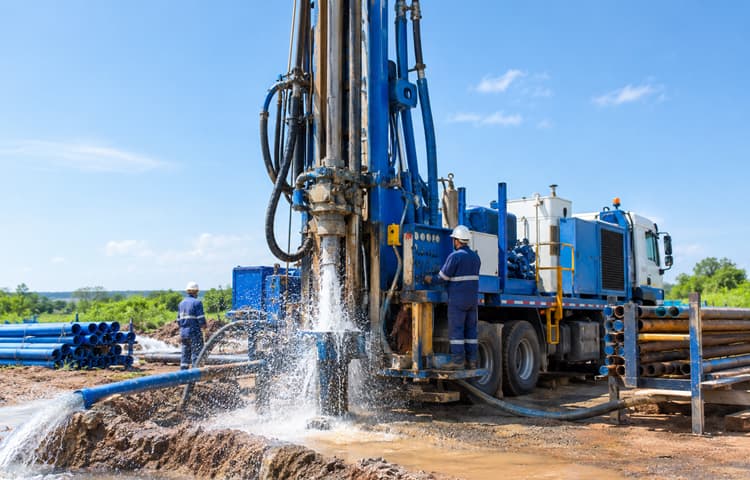
Water Well Drilling
Result
Cleaner mud tanks, improved solids suspension, reduced sediment buildup, enhanced drilling fluid consistency, and lower maintenance requirements for a more efficient solids control system.
MUD GUN FAQs
What is the primary function of a Mud Gun in drilling fluid systems?
The Mud Gun is designed to maintain uniform drilling fluid properties inside mud tanks by preventing solids settlement and ensuring effective fluid circulation. It provides high-energy jetting to eliminate dead zones, particularly in tank corners and low-flow areas, supporting stable mud quality and consistent solids suspension.
How does the Mud Gun improve drilling fluid performance?
The system delivers high-velocity fluid jets that continuously re-suspend settled solids and promote homogeneous mixing throughout the tank. When used together with mud agitators, it enhances overall circulation efficiency, improves mud consistency, and helps maintain stable rheological properties during drilling operations.
What pump systems can the Mud Gun be integrated with?
The Mud Gun is compatible with multiple pumping sources, including centrifugal pumps, mud pumps, and shear pumps. This flexibility allows easy integration into existing solids control systems without major modifications, making it suitable for both new builds and retrofit applications across different rig configurations.
What are the available design and pressure options?
The system is available in low-pressure, medium-pressure, and high-pressure configurations depending on operational requirements. It can be supplied in fixed or rotary designs, allowing operators to select the most suitable configuration based on tank layout, fluid characteristics, and cleaning intensity requirements.
How durable is the Mud Gun in harsh drilling environments?
The Mud Gun is constructed from high-quality steel with anti-corrosion treatments such as acid cleaning and galvanization. Wear-critical components, including nozzles, are available in polyurethane or tungsten carbide materials, ensuring long service life and reliable performance in abrasive and corrosive drilling fluid environments.
What operational benefits can be expected from using a Mud Gun?
The system reduces solids accumulation, improves mud homogeneity, and enhances overall drilling fluid performance. It lowers manual cleaning requirements, reduces maintenance downtime, protects downstream solids control equipment from excessive wear, and contributes to more stable and efficient drilling operations in both onshore and offshore environments.
Related Products


Let’s build a sustainable oilfield future together!
Whether developing a new drilling project or enhancing an existing solids control system, Henyo Petro delivers proven equipment, engineering expertise, and integrated solutions that help improve drilling efficiency, maximize fluid recovery, and reduce waste.


